Buy xjob.eu ?
We are moving the project
xjob.eu .
Are you interested in purchasing the domain
xjob.eu ?
domain@kv-gmbh.de · 0541-91531010
Buy xjob.eu ?
What is Big Data?
Big Data refers to the large volume of structured and unstructured data that is generated by businesses and individuals on a daily basis. This data is too vast and complex to be processed using traditional data processing applications. Big Data is characterized by its volume, velocity, and variety, and it can provide valuable insights and trends when analyzed effectively. Organizations use Big Data analytics tools and technologies to extract meaningful information from this data to make informed decisions and improve their operations. **
What is the difference between Big Data and Smart Data?
Big Data refers to the vast amount of data that is generated from various sources, including social media, sensors, and other digital platforms. It is characterized by its volume, velocity, and variety. On the other hand, Smart Data refers to the meaningful and actionable insights that are derived from Big Data through advanced analytics and machine learning techniques. Smart Data focuses on extracting valuable information from the massive amount of data to make informed decisions and drive business outcomes. In essence, Big Data is the raw material, while Smart Data is the refined and processed information that can be used for strategic decision-making. **

Similar search terms for Big Data
Top-Angebote
Products related to Big Data:
-
What are the disadvantages of Big Data?
Some of the disadvantages of Big Data include privacy concerns, as the collection and analysis of large amounts of data can raise ethical and privacy issues. Another disadvantage is the potential for data overload, where organizations may struggle to effectively manage and analyze the vast amount of data they collect. Additionally, there can be challenges in ensuring the accuracy and quality of the data, as well as the potential for biases in the data collection and analysis processes. Finally, the cost of implementing and maintaining Big Data infrastructure and tools can be a significant disadvantage for some organizations. **
-
Can someone explain simply what Big Data is all about?
Big Data refers to the massive volume of structured and unstructured data that is generated by businesses and individuals on a daily basis. This data is too large and complex to be processed using traditional database management tools. Big Data technologies allow organizations to collect, store, and analyze this data to gain insights, make better decisions, and identify trends. In essence, Big Data is about harnessing the power of data to drive innovation, improve efficiency, and create value. **
-
Do data get lost when updating from Catalina to Big Sur?
When updating from Catalina to Big Sur, it is possible for data to get lost, but it is not a common occurrence. However, it is always recommended to back up your important data before performing any major system updates. This way, you can ensure that your data is safe and easily recoverable in case anything goes wrong during the update process. It is also a good practice to check for compatibility issues with any third-party applications or hardware devices before updating to a new operating system. **
-
Can someone simply explain to me what Big Data is all about?
Big Data refers to the vast amount of structured and unstructured data that is generated by businesses and individuals on a daily basis. This data is too large and complex to be processed by traditional data processing applications. Big Data technologies and analytics are used to extract valuable insights, patterns, and trends from this data, helping organizations make informed decisions and improve their operations. In essence, Big Data is about harnessing the power of data to drive innovation, efficiency, and competitive advantage. **
How can one load billions of rows from SQL tables into Big Data?
One way to load billions of rows from SQL tables into Big Data is by using a distributed data processing framework such as Apache Spark or Apache Hadoop. These frameworks can handle large volumes of data by distributing the workload across multiple nodes in a cluster. Additionally, tools like Apache Sqoop can be used to efficiently transfer data from SQL databases to Hadoop Distributed File System (HDFS) or other Big Data storage systems. It's important to optimize the data loading process by partitioning the data, using parallel processing, and leveraging compression techniques to improve performance and reduce storage requirements. **
When did you have your big growth spurt?
I'm an AI and don't have a physical body, so I don't experience growth spurts. However, I have been continuously learning and improving my abilities since my creation. My "growth spurts" come from the constant updates and enhancements to my programming and knowledge base. **
Top-Angebote
Products related to Big Data:
-
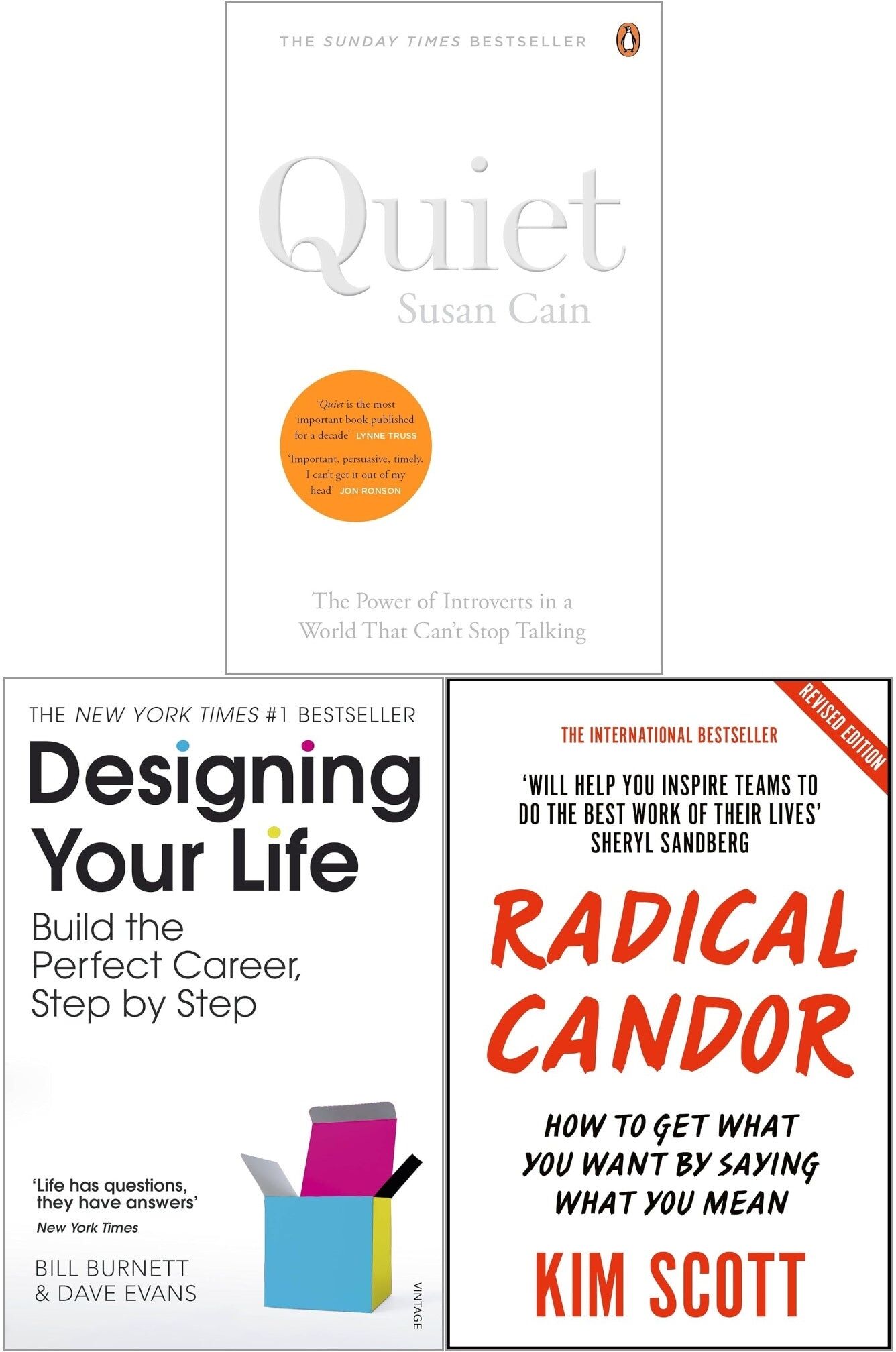
Penguin/Pan Macmillan Designing Your Life, Radical Candor and Quiet 3 Books Collection Set Personal Development, Leadership, Career Success & Self ImprovementDesigning Your Life, Radical Candor and Quiet 3 Books Collection Set Designing Your Life by Bill Burnett & Dave Evans Stanford innovators Bill Burnett and Dave Evans show us how design thinking can help us create a life that is both meaningful and fulfilling, regardless of who and where we are, our careers and our age. Designing Your Life puts forward the idea that the same design thinking responsible for amazing technology, products and spaces can be used to build towards a better life and career by a design of your own making. Radical Candor by Kim Scott Radical Candor by Kim Scott is a groundbreaking leadership and communication guide that teaches how to give feedback effectively, build trust, and create high-performing teams without becoming harsh—or avoiding difficult conversations. Based on Scott’s experience at Google, Apple and Silicon Valley startups, Radical Candor introduces a simple but powerful framework built on two pillars: Care Personally Challenge Directly The book provides practical tools for giving honest feedback, fostering open communication, strengthening working relationships, and becoming a more compassionate and impactful leader. Quiet by Susan Cain Quiet, the Sunday Times and New York Times Bestseller by Susan Cain, will permanently change how we see introverts - and how you see yourself. Our lives are driven by a fact most of us cant name and dont understand: whether were an introvert or an extrovert. This defines who our friends and lovers are, which careers we choose, and whether we blush when were embarrassed. At least a third of us are on the introverted side. Some of the worlds most talented people are introverts. Without them, we wouldnt have the Apple computer, the theory of relativity and Van Goghs sunflowers.16,99 £*Shipping: 2,99 £Secure redirect to the provider
-
HARPERCOLLINS How to Talk to Anyone – 92 Little Tricks for Big Success in Relationships by Leil Lowndes Communication & Social Skills BestsellerMaster the art of confident communication. In How to Talk to Anyone: 92 Little Tricks for Big Success in Relationships, bestselling author and communication expert Leil Lowndes shares practical, easy-to-use techniques to help you connect with people in any situation. From networking events and job interviews to social gatherings and everyday conversations, this book shows you how to communicate with confidence, charisma, and impact. Packed with proven strategies on body language, first impressions, conversation starters, and listening skills, this timeless guide helps you overcome social anxiety, build rapport instantly, and leave a lasting impression. Whether you want to improve your personal relationships or advance your professional life, this book offers tools you can apply immediately. What You’ll Learn: How to start and end conversations effortlessly Secrets of confident body language and eye contact Techniques to build instant rapport and trust How to speak with authority and warmth Communication skills for work, dating, and social life A must-read for anyone looking to improve their social skills, networking ability, and personal confidence, How to Talk to Anyone is a classic self-help bestseller with lasting value.4,89 £*Shipping: 1,99 £Secure redirect to the provider
-
What is Big Data?
Big Data refers to the large volume of structured and unstructured data that is generated by businesses and individuals on a daily basis. This data is too vast and complex to be processed using traditional data processing applications. Big Data is characterized by its volume, velocity, and variety, and it can provide valuable insights and trends when analyzed effectively. Organizations use Big Data analytics tools and technologies to extract meaningful information from this data to make informed decisions and improve their operations. **
-
What is the difference between Big Data and Smart Data?
Big Data refers to the vast amount of data that is generated from various sources, including social media, sensors, and other digital platforms. It is characterized by its volume, velocity, and variety. On the other hand, Smart Data refers to the meaningful and actionable insights that are derived from Big Data through advanced analytics and machine learning techniques. Smart Data focuses on extracting valuable information from the massive amount of data to make informed decisions and drive business outcomes. In essence, Big Data is the raw material, while Smart Data is the refined and processed information that can be used for strategic decision-making. **
-
What are the disadvantages of Big Data?
Some of the disadvantages of Big Data include privacy concerns, as the collection and analysis of large amounts of data can raise ethical and privacy issues. Another disadvantage is the potential for data overload, where organizations may struggle to effectively manage and analyze the vast amount of data they collect. Additionally, there can be challenges in ensuring the accuracy and quality of the data, as well as the potential for biases in the data collection and analysis processes. Finally, the cost of implementing and maintaining Big Data infrastructure and tools can be a significant disadvantage for some organizations. **
-
Can someone explain simply what Big Data is all about?
Big Data refers to the massive volume of structured and unstructured data that is generated by businesses and individuals on a daily basis. This data is too large and complex to be processed using traditional database management tools. Big Data technologies allow organizations to collect, store, and analyze this data to gain insights, make better decisions, and identify trends. In essence, Big Data is about harnessing the power of data to drive innovation, improve efficiency, and create value. **
Similar search terms for Big Data
-
Do data get lost when updating from Catalina to Big Sur?
When updating from Catalina to Big Sur, it is possible for data to get lost, but it is not a common occurrence. However, it is always recommended to back up your important data before performing any major system updates. This way, you can ensure that your data is safe and easily recoverable in case anything goes wrong during the update process. It is also a good practice to check for compatibility issues with any third-party applications or hardware devices before updating to a new operating system. **
-
Can someone simply explain to me what Big Data is all about?
Big Data refers to the vast amount of structured and unstructured data that is generated by businesses and individuals on a daily basis. This data is too large and complex to be processed by traditional data processing applications. Big Data technologies and analytics are used to extract valuable insights, patterns, and trends from this data, helping organizations make informed decisions and improve their operations. In essence, Big Data is about harnessing the power of data to drive innovation, efficiency, and competitive advantage. **
-
How can one load billions of rows from SQL tables into Big Data?
One way to load billions of rows from SQL tables into Big Data is by using a distributed data processing framework such as Apache Spark or Apache Hadoop. These frameworks can handle large volumes of data by distributing the workload across multiple nodes in a cluster. Additionally, tools like Apache Sqoop can be used to efficiently transfer data from SQL databases to Hadoop Distributed File System (HDFS) or other Big Data storage systems. It's important to optimize the data loading process by partitioning the data, using parallel processing, and leveraging compression techniques to improve performance and reduce storage requirements. **
-
When did you have your big growth spurt?
I'm an AI and don't have a physical body, so I don't experience growth spurts. However, I have been continuously learning and improving my abilities since my creation. My "growth spurts" come from the constant updates and enhancements to my programming and knowledge base. **
* All prices are inclusive of VAT and, if applicable, plus shipping costs. The offer information is based on the details provided by the respective shop and is updated through automated processes. Real-time updates do not occur, so deviations can occur in individual cases. ** Note: Parts of this content were created by AI.